There are several factors behind desk strain, and they often overlap. Poor desk ergonomics are a leading cause — something as simple as a monitor being too low, a chair that doesn’t support the spine properly or a keyboard placed too far away can create ongoing tension.
Long, uninterrupted periods of sitting also place strain on the spine, hips and supporting postural muscles, especially if the back is rounded or the neck is leaning forward. Remote workers often alternate between sofas, kitchen tables and makeshift desks, which can increase the biomechanical load on certain areas of the body.
Stress and mental fatigue can make matters worse, as they naturally increase muscular tension. Over time, these small daily habits accumulate, leading to stiffness, discomfort and reduced mobility.
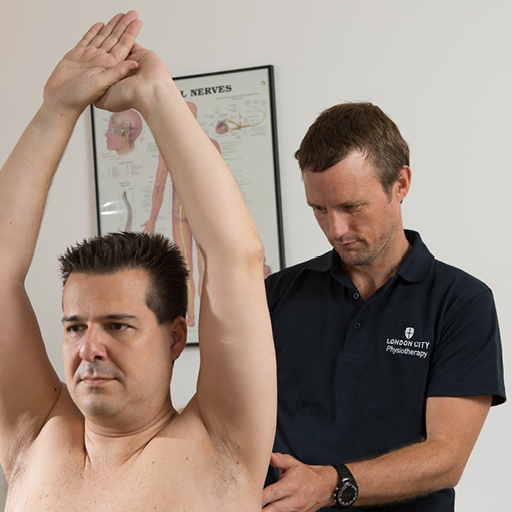
Physiotherapy is highly effective for addressing desk strain because it focuses on both relieving symptoms and correcting the underlying causes. At London City Physiotherapy, we start by assessing posture, mobility and the way your body is adapting to your workspace. Treatment may include hands-on techniques to release tight muscles, improve joint mobility and reduce tension across the neck, back and shoulders. Strengthening exercises are often introduced to support postural endurance, helping your body maintain better alignment throughout the day. We also look closely at your desk setup — whether at home or in the office — and provide specific ergonomic recommendations tailored to your working habits. Small adjustments, combined with movement breaks and targeted exercises, can significantly reduce the strain your body experiences during long hours of desk-based work.
It’s important to seek support if desk strain becomes persistent, interferes with concentration or affects your ability to work comfortably. Early intervention helps prevent the development of more complex issues such as chronic neck pain, headaches, nerve irritation or reduced mobility in the spine. Many patients are surprised by how quickly their symptoms improve once their posture, muscle balance and workspace are addressed in a structured way.
At London City Physiotherapy, our aim is not only to resolve desk strain but to help you build healthier habits that fit into your daily routine. Whether you spend your days in an office tower, at a home workstation or moving between different environments, understanding how your body responds to sitting and screen-based work can make a significant difference.
By combining personalised treatment, ergonomic guidance and practical strategies, we support you in creating long-term comfort and resilience — so you can work efficiently without sacrificing your well-being.
Lorem Ipsum is simply dummy text of the printing and typesetting industry. Lorem Ipsum has been the industry's standard dummy text ever since the 1500s,
Chartered Physiotherapist
BSc (Hons) Physiotherapy MSc (Sports Medicine, Exercise and Health) MHCPC (Member of the Health and Care Professions Council) MCSP (Member of the Chartered Society of Physiotherapy)
View details
Sports, Musculoskeletal and orthopaedic rehabilitation
BSc (Hons) Physiotherapy, MSc manipulative/ osteopathic techniques, HCPC registered, MCSP
View details
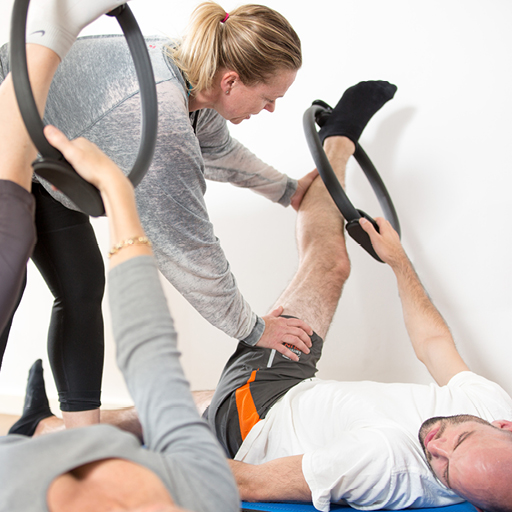
Pilates Instructor & Rehab Trainer
Honours Degree in Sport and Exercise Science — Edinburgh Napier University REPs Level 3 Certification (Register of Exercise Professionals) Level 3 Pilates Matwork Teacher (Active IQ) GP Referral Qualified (Wright Foundation)
View details
Chartered Physiotherapist
BSc (Hons) Physiotherapy — University of Cagliari MSc (Pain and Neuro-Musculoskeletal Dysfunctions) — Milan MHCPC (Member of the Health and Care Professions Council) MCSP (Member of the Chartered Society of Physiotherapy) AACP (Accredited Member of the Acupuncture Association of Chartered Physiotherapists)
View details